2026 India Gaming SMS & Cloud Communications Market Insight: DLT Governance, Operator Landscape & Compliance Practice
India's most attractive feature is scale. It has approximately 1.47 billion people, 1.03 billion internet users, and over 1.1 billion consumer-facing SIM connections. A young demographic, growing online entertainment demand, and an expanding mobile app ecosystem provide a vast potential user base for Gaming businesses.
Beyond scale, two important boundaries define the Indian market. One comes from online gaming regulation: the relevant law introduced in 2025 and the supporting rules in 2026 have prohibited online real-money gaming and its promotion. The other comes from communications regulation: enterprise SMS must undergo verification of the sending entity, Sender ID, content templates, and delivery chain under the DLT system.
When entering the Indian market, Gaming businesses need to simultaneously determine whether the business is legal, how users should be reached, and whether messages can pass operator review. This article combines India's digital market, operator landscape, SMS and Voice use cases, and DLT requirements to analyze the preparations required before legal Gaming businesses can conduct user communications.
01 The Communications Demand Foundation of India's Digital Market
India's median age is approximately 28.8 years, with a relatively high share of young users. The development of e-commerce, online entertainment, digital content, and mobile applications has made registration, login, account security, and online customer service daily needs. For Gaming businesses, a new user registration, device change, or abnormal login can trigger identity verification and security notifications.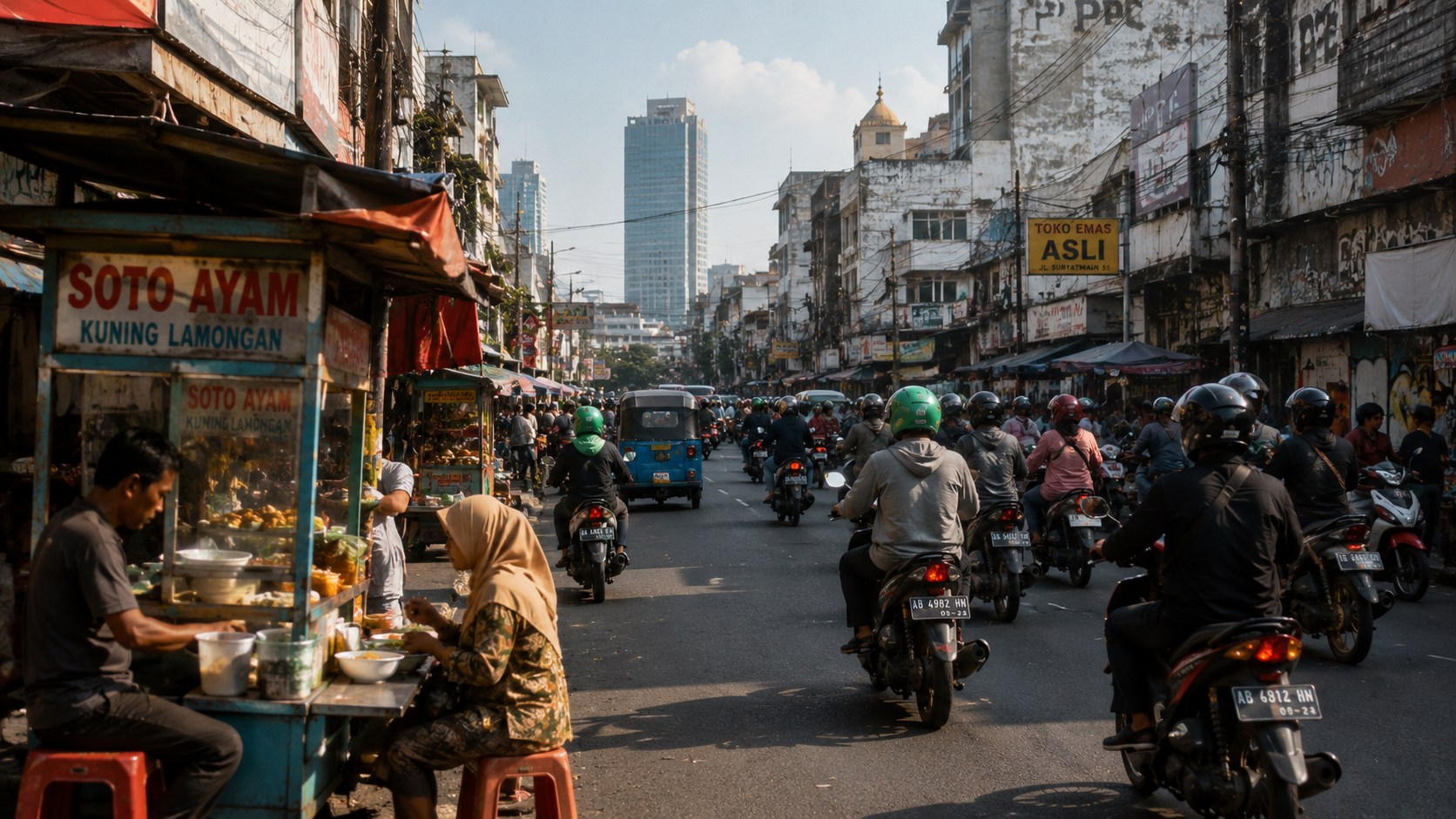
According to DataReportal's Digital 2026: India, as of the end of 2025, India had approximately 1.06 billion cellular mobile connections and 1.03 billion internet users, with internet penetration reaching 70%. TRAI's latest statistics show that as of the end of July 2026, India's consumer-facing SIM connections had reached approximately 1.15 billion.
A vast connection scale does not mean that all regions in India have the same communications conditions. Urban areas have higher mobile connection density, while rural areas still differ in network quality, smart device penetration, and digital service usage habits. If enterprises use a single set of language, content, and channels to cover the entire country, it is difficult to achieve completely consistent reach.
Language is another practical challenge. In addition to English and Hindi, many local languages are widely used across different regions of India. If event notifications, security alerts, and customer service are provided only in English, it may increase users' comprehension costs. Enterprises are better off first identifying key regions and target users, then selecting language, templates, and communication channels.
In legal Gaming scenarios, the main communication needs center on account security, event and service notifications, and customer support. Registration verification, login OTP, password reset, and device changes fall under account security; event registration, schedule changes, and system maintenance fall under service notifications; account appeals, minor protection, and complaint handling require follow-up service.
These messages may seem simple, but they directly affect user experience. If an OTP arrives too slowly, users may repeat operations or abandon registration; if a security notification lacks a clear sending identity, it may be mistaken for a scam; if important matters rely only on app push, they may be ignored because the user has disabled notifications.
For Gaming businesses, user scale is only the market foundation. Network coverage, language habits, and operator distribution in different regions will further affect the actual performance of these messages.
Source: DataReportal, Digital 2026: India
02 Operator Concentration and Communications Service Selection
India's mobile market is mainly dominated by Reliance Jio and Bharti Airtel. According to TRAI's July 2026 wireless mobile connection data, including M2M connections, Jio has approximately 506 million connections, with a market share of about 39.3%; Airtel has approximately 489 million, with a market share of about 37.9%. Together, the two operators account for more than three-quarters of the market.
Vodafone Idea still has approximately 199 million mobile connections, accounting for about 15.5%. BSNL has approximately 93.18 million, accounting for about 7.2%, and still has coverage value in some rural and remote areas. If enterprises focus only on Jio and Airtel, they may miss the still considerable Vi and BSNL connections.
Operator concentration has not eliminated regional and network differences. In July 2026, approximately 15.98 million users in India submitted mobile number portability requests, and number prefixes can no longer always accurately reflect a user's current network. Different regions, message types, and sending times may also produce different delays, Sender ID displays, and filtering results.
Therefore, a communications service provider's claim of "covering India" can only serve as preliminary information. Enterprises also need to examine major operator coverage, DLT information delivery, failure reason feedback, and stability during business peak periods.
Gaming businesses also cannot rely on only one communication method. Account verification values timeliness, service notifications require clear information, important reminders need to capture user attention, and customer issues require ongoing follow-up. Whether a service provider can offer suitable communication options for these tasks is more meaningful than simply increasing the number of interfaces.
Laaffic provides SMS, Voice, AI Voice Broadcasting, Landing SMS, and Cloud Call Center services. For legal Gaming scenarios, enterprises can choose the appropriate communication method based on tasks such as account verification, security notifications, important reminders, and customer service.
Source: TRAI July 2026 Telecom Subscription Report
03 The Value of SMS and Voice in a Multi-Channel Environment
In India, SMS, Voice, WhatsApp, and RCS are not simply substitutes for one another. Different channels have their own characteristics in coverage, information capacity, interaction methods, and usage conditions.
WhatsApp has a broad user base, and RCS business messaging is also gradually developing. Images, buttons, and conversational features make these channels suitable for content display, user interaction, and ongoing operations, but whether messages are seen by users depends on app installation, account status, network connection, and notification permissions.
SMS is directly linked to mobile numbers and does not require users to install an additional app. It still has clear value in account verification and time-sensitive notifications. Registration verification, login OTP, password reset, and abnormal activity alerts all require messages to arrive within a relatively short time. Event changes, system maintenance, and service adjustments are also suitable for timely notification via SMS.
Voice is used to reinforce important reminders. When users have not checked text messages in time, or when a service change requires immediate attention, Voice can be considered. After the call ends, a Landing SMS can supplement the text content; a Cloud Call Center then handles account appeals, service inquiries, and issues requiring ongoing follow-up.
The quality of a communications solution does not depend on the number of channels. Sending the same message repeatedly through multiple channels may cause disturbance and waste costs. Account verification focuses on speed and security, event notifications value clear information, and customer service requires context and ongoing communication. Different tasks should have separately designed reach methods.
SMS and Voice do not require users to install a specific app, but they still need mobile network support; WhatsApp and RCS can provide richer interactive experiences but are also limited by terminals, networks, and user permissions. Enterprises need to arrange primary channels and supplementary methods based on timeliness, content, and interaction level.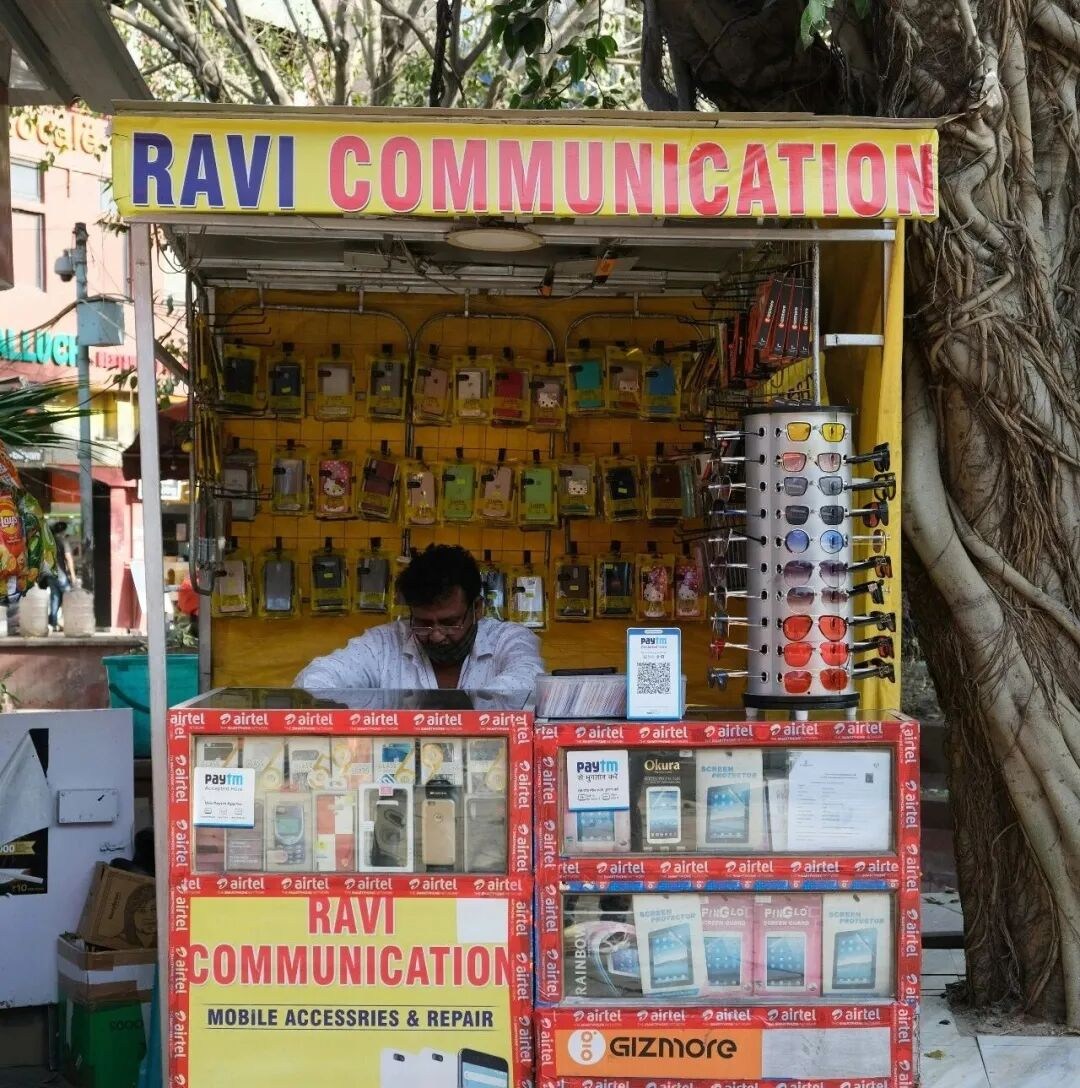
Marketing messages should also be managed separately from OTP and service notifications. The promotion of legal Gaming activities needs to be judged in light of user consent, sending frequency, and local rules. Having obtained a user's phone number does not mean that all types of marketing content can be sent.
Regardless of which channel is chosen, OTP, service notifications, and marketing messages need to be managed separately. In particular, enterprise SMS entering India's local operator networks must also meet the corresponding commercial communications rules.
04 DLT Governance and the Compliance Boundary for Gaming Businesses
India manages the sending entity, Sender ID, message templates, and delivery chain of enterprise SMS through the DLT system. For local A2P SMS, the relevant configurations need to be completed before official launch.
The entire process can be summarized as:
Enterprise entity
→ Header / Sender ID
→ Content and consent templates
→ PE–TM delivery chain
→ Operator verification
After registering the entity, enterprises need to apply for a Header used to display sending identity, and register SMS templates according to use cases such as OTP, service notifications, or marketing. When marketing messages are involved, user consent also needs to be managed. The delivery chain between the enterprise and the Telemarketer must also be bound to ensure messages are traceable.
The actual sent content must remain consistent with the registered template. Deviations in fixed text, variable positions, Header, or Template ID may cause messages to fail verification. Local routing usually needs to follow DLT requirements, while international routing may use different Sender IDs and delivery methods. Enterprises need to choose the appropriate route based on entity, use case, and display requirements.
Since 2025, TRAI has further strengthened commercial message management. Headers distinguish promotional, service, and transactional message types through suffixes; URLs, app links, and callback numbers in SMS need to be registered as required; template variables also need to indicate their purpose in advance. These changes extend DLT from pre-send registration to content and delivery chain management.
After completing registration, enterprises also need to test with real content and numbers. Testing should cover Jio, Airtel, Vi, and BSNL, and select different regions and sending times. In addition to overall delivery rates, they should observe OTP latency, Sender ID display, template verification, failure reasons, and peak capacity.
Multilingual content further affects SMS costs. English SMS typically uses GSM-7 encoding, with a maximum of 160 characters per segment; Hindi and other Indian scripts typically use Unicode encoding, with a general limit of 70 characters per segment. Long messages are split into multiple billable segments, and multilingual mixing and special symbols may also change the encoding method.
Voice communications are also subject to commercial communications rules. TRAI distinguishes promotional, transactional, and service calls through number series such as 140 and 1600. When planning voice reminders or outbound calls, enterprises also need to check number usage, user consent, and call scenarios.
DLT addresses communications compliance, while whether the business itself is permitted is determined by online gaming rules. India's Online Gaming Promotion and Regulation Act, 2025 and the supporting rules in 2026 prohibit online real-money gaming and also restrict related operation, facilitation, and promotion activities. Online games that require users to invest real money or other value to obtain returns may fall within the prohibited scope.
Esports and online social games that do not involve real-money betting need to be judged separately. Legal businesses can conduct account verification, security notifications, event reminders, system maintenance, and customer service; deposits, withdrawals, bonus promotions, and real-money gaming recalls cannot be used as regular communication scenarios.
Business eligibility, DLT information, SMS templates, and operator networks together affect the delivery of Gaming messages. Before comparing prices and channels, enterprises should first confirm business boundaries, information use cases, and actual sending conditions.
Conclusion: A Market of 1.47 Billion People — Every Reach Deserves Serious Attention
With 1.47 billion people, India is a market that Gaming businesses cannot ignore. But behind the vast user scale is a complex environment woven from regions, languages, operators, and regulatory rules. To achieve sustained growth here, enterprises need long-term investment in business boundaries, user trust, and communications quality.
An OTP that arrives on time may determine whether a user completes registration; a clear security notification may prevent account risk; a timely voice reminder or customer service interaction may also affect whether a user stays. Stable, clear, and traceable communications are an important part of building trust between Gaming businesses and users.
Facing India's diverse and complex communications environment, Laaffic provides SMS, Voice, AI Voice Broadcasting, Landing SMS, and Cloud Call Center services, offering corresponding communication options for identity verification, service notifications, important reminders, and customer service.
In India, truly valuable reach means letting every compliant message arrive at the user at the critical moment.