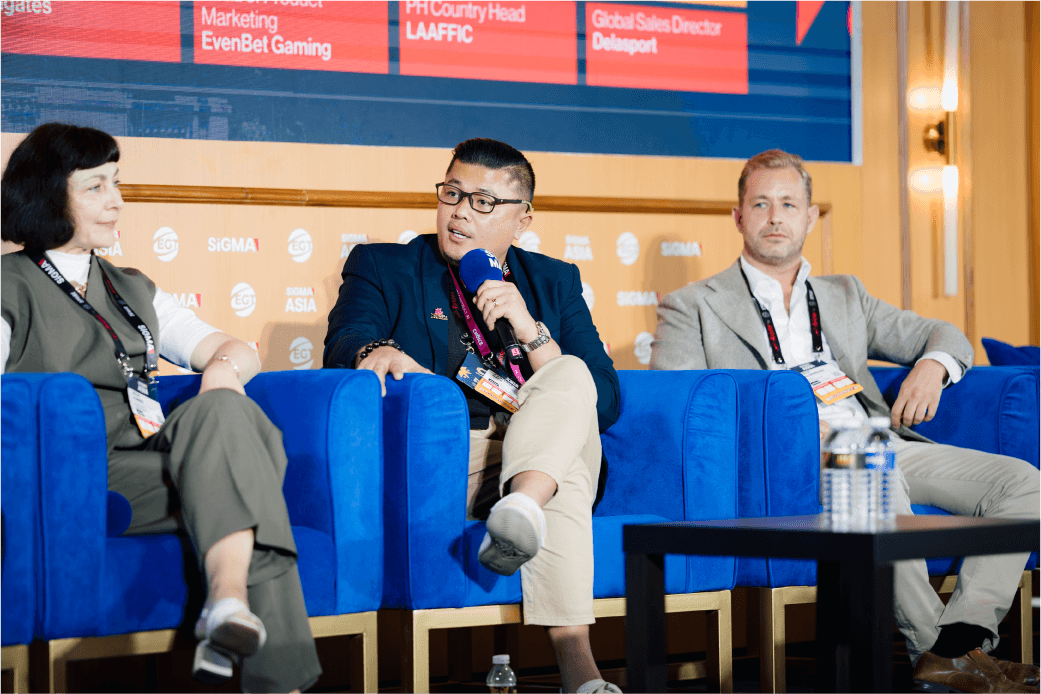
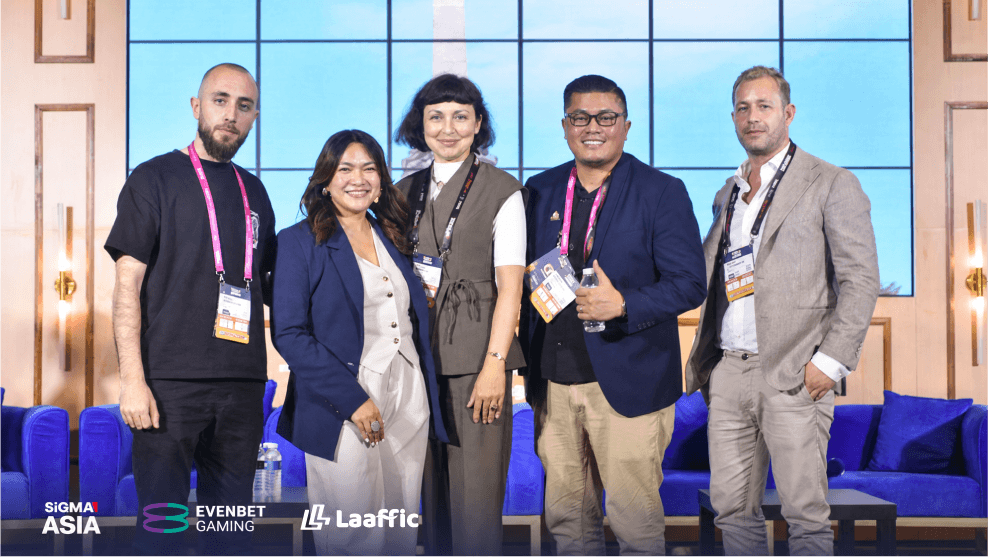
At the recently concluded SiGMA Asia 2026 Manila Summit, John Paul "JEPA" Joya, Head of Laaffic Philippines, was invited to participate in a panel discussion to share his deep insights into the Philippine Gaming market. Combining Laaffic's practical experience serving 5,000+ global clients, he provided an in-depth interpretation of the true growth logic of emerging Asian markets.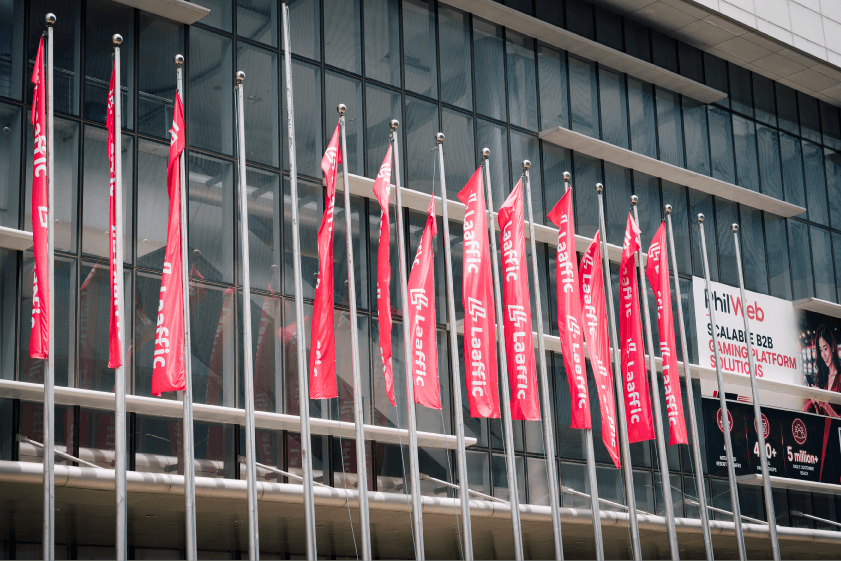
I. Tier-1 Saturation, Emerging Markets Become Essential Battlegrounds
Jepa stated bluntly at the beginning: “Most operators fail not because they chose the wrong GEO. Tier-1 markets are still very valuable. They fail because of execution.” He pointed out that Tier-1 markets (North America, Western Europe, etc.) remain profitable, but customer acquisition costs are high, regulations are strict, and competition is fierce. Companies are not “abandoning” mature markets, but “diversifying”—viewing Southeast Asia as a complementary growth engine. This region has the world's youngest mobile-first population, rapid adoption of digital payments, higher customer acquisition efficiency, and lower costs. Markets like the Philippines, Vietnam, and Indonesia are becoming the most promising growth frontiers in 2026.
“New markets are not ‘easy wins,’” Jepa emphasized, “they simply expose weak infrastructure faster.”
II. Localization is Not Translation, but a Comprehensive Reconstruction of Infrastructure
The reason many companies fail in emerging markets is that they simplify “localization” to just language translation. Jepa emphasized: “True localization must go deep into the infrastructure levels of payment, communication, and compliance. A single OTP delay or an unsupported payment method is enough to destroy conversion rates and user trust.” The experience after the user clicks is the real battlefield.
III. Laaffic's Answer: Full-Link Empowerment from Communication Infrastructure to Performance Marketing
This is precisely where Laaffic's core capability lies. As a leading global SMS and voice service provider, Laaffic has deployed a complete local team in the Philippines. We don't just provide services; we help customers solve the “last mile” challenges of landing.
Jepa shared a real case on-site: When a Gaming client first entered the Philippines, conversion rates in the first week were dismal due to OTP delays and a long Sender ID application cycle. Laaffic's local team intervened quickly, completing Sender ID registration within 3 days (industry average is 1-2 months), while using AI Two-Way SMS to handle user inquiries with 7x24 automatic response, effectively saving the client 10 manual customer service staff. Subsequently, AI Voice Broadcasting + Flash SMS were used to wake up dormant users, with a single recall cost of only $0.7 and an ROI as high as 383%.
“This is the power of localized execution,” Jepa said, “It's not about selling tools, but about running through the entire process with the client.” In another ADS Performance Marketing collaboration, the Laaffic team helped the client reduce single user acquisition costs by 32% and increase first-deposit conversion rates by 18% by adjusting delivery strategies.
“Behind these numbers is Laaffic's understanding of the market and dedication to execution.”
IV. Execution is the Only Standard Distinguishing Winners from Losers
When asked “What is the one thing companies must do right in 2026/27?” Jepa's answer was powerful: “Execution. Traffic can bring attention, but only execution can convert attention into sustainable revenue.” The combination of compliance, technology, and localization is necessary to lead in emerging markets. Laaffic's positioning is precisely to help customers execute efficiently—serving as both infrastructure and a growth engine.
Conclusion
The growth story of Southeast Asia has turned a new page. Jepa concluded: “Laaffic looks forward to joining hands with more partners to win the future of Asia's emerging markets together with reliable communication infrastructure and performance-driven advertising services.”